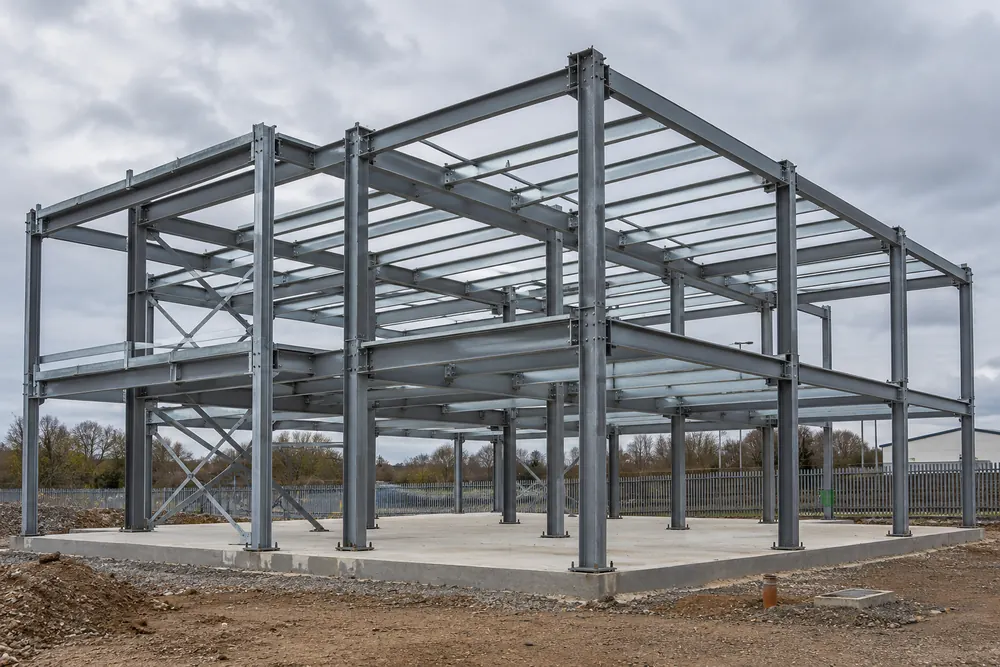
Steel That Forms Part Of The Structure
Structural steel transfers loads through beams, columns, bracing and connections into the supporting structure. Commercial work may involve a new industrial frame, an opening in an existing building, a platform support or strengthening associated with new plant. Each has an engineering context that must be understood before selecting a section.
A beam size on its own is not a complete fabrication instruction. The designer also needs to address stability, bearing, connections and the capacity of what supports the steel. Share the calculations and drawings available for your project, including any design assumptions that still depend on a survey or opening-up work.
Design Responsibility And Site Information
Agree who is responsible for the overall structural design and who designs the connections. These roles can be split between different parties, but the interfaces must be documented. The steelwork package should identify loads, geometry, material grades, connection forces and any movement or deflection limits relevant to other trades.
Existing buildings can conceal details that a drawing does not show. Survey requirements may include opening sizes, bearing positions, existing member sizes and the condition of connection points. Do not assume an old slab or wall can accept a new load simply because it is nearby. Unverified details should remain visible in the project query register.
Execution Standards And Product Documents
BS EN 1090-2 specifies technical requirements for the execution of steel structures. The project specification should establish the execution class and any additional inspection or testing requirements. BS EN 1090-1 addresses conformity assessment for structural components within its scope. Ask for evidence appropriate to the actual component and manufacturer.
Applicable construction product marking and declaration requirements need checking for the product and market at the time of supply. An execution class is not a substitute for a completed design. We recommend agreeing the required documentation before manufacture, including material traceability, inspection records and the declaration information applicable to the package.
Connections, Protection And Coordination
Bolted joints need enough access to place and tighten the specified fixings. Baseplates need coordination with foundations, anchors, grout and setting-out information. Connections can look simple on an elevation yet become difficult to assemble when cladding, services or an adjacent wall limit access.
Corrosion protection and fire protection serve different purposes. The project team should specify each where needed, including preparation, exposure conditions and compatibility between coatings. Allow for interfaces with other trades and for any treatment of site joints. Changing a connection or adding a hole on site should go back through the agreed technical approval route.
The Structural Steelwork Process
Start by sending the engineering drawings, site location, project use and required programme. Identify missing surveys and agree the design responsibilities. The next stage is detailing and coordination, followed by review of fabrication drawings and formal release for manufacture.
Manufacture, inspection and finishing follow the agreed specification. Before delivery, the installation team needs a coordinated erection sequence, access plan and arrangements for stability during assembly. Temporary works may be required before the final frame is complete. The handover should record agreed inspections, final drawings and relevant product documentation, with variations captured rather than left as verbal instructions.
Safe Installation On Working Sites
The Construction (Design and Management) Regulations 2015 set duties for those involved in construction projects, including commercial clients. Steel installation needs planning that reflects other work on site and the people using the premises. Identify exclusion zones, unloading areas and any shutdown arrangements before booking a delivery.
Lifting operations fall within the Lifting Operations and Lifting Equipment Regulations 1998 where applicable. Plan lifts with competent input, suitable equipment and a defined method. Temporary stability, working at height and hot work need their own controls. A delivery date cannot replace a safe sequence or approval of the supporting construction.
Cost, Programme And Your Enquiry
The total structural package depends on design maturity, member sizes, connection complexity, fabrication tolerances, inspection, coatings and erection conditions. Access for a crane or delivery vehicle can change the installation method. Phased work within an occupied commercial building can also affect labour and sequencing.
Provide the latest drawing revision, an outline programme and the site restrictions when requesting a quotation. Ask which engineering, surveying, fire protection, lifting and temporary works items are included. If the project is still at concept stage, say so clearly. Early discussion can identify scope gaps, but a preliminary allowance should not be treated as a fixed price for an unresolved design.
Technical references: BSI structural execution standard, HSE welding guidance and HSE work equipment guidance.
Your Questions Answered
Do I Need A Structural Engineer?
Structural steel generally needs a competent structural designer to establish loads, member sizes and connections. A fabricator cannot safely select a beam from an opening width alone. For an existing commercial building, provide the current drawings and explain the proposed change so that survey needs and design responsibility can be agreed.
Does Every Steel Part Need Structural Certification?
Structural certification requirements depend on the intended use and whether the component falls within the relevant standard and product rules. A load-bearing building component differs from a loose non-structural cover. Confirm the classification, execution specification and required manufacturer documents before purchase, rather than applying the same requirement to every fabricated part.